Chimney Inspection Levels Explained
Regular chimney inspections are essential for safety, efficiency, and preventing costly repairs.
The National Fire Protection Association (NFPA) defines three levels of chimney inspections, each designed for different situations.
---
**Level 1 Chimney Inspection (Basic Check)**
A Level 1 inspection is the most common and is recommended once a year.
* **When You Need It:**
* No changes to your system
* Regular fireplace use
* No known problems
* **What It Includes:**
* Visual inspection of the firebox, flue, and chimney exterior
* Checking for creosote buildup
* Verifying proper draft and basic structure
* This is your standard annual safety check.
---
**Level 2 Chimney Inspection (More Detailed)**
A Level 2 inspection is more in-depth and often required for real estate or after changes.
* **When You Need It:**
* Buying or selling a home
* After a chimney fire
* After major repairs
* Changing fuel type (wood → gas)
* **What It Includes:**
* Everything in Level 1
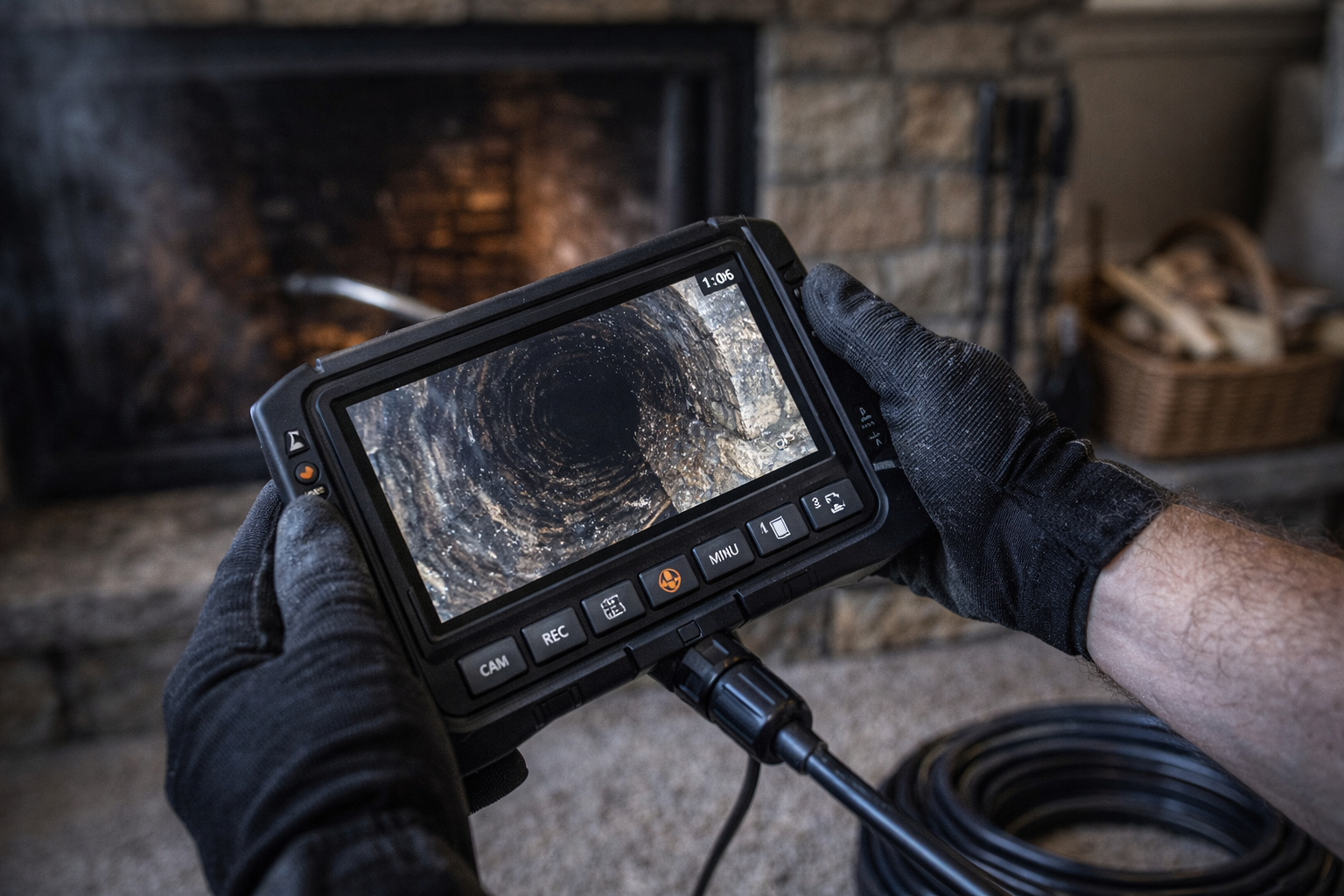
* Video camera inspection of the flue
* Inspection of hidden areas (attic, crawl spaces)
* This level identifies hidden damage that you can’t see from outside.
---
**Level 3 Chimney Inspection (Full Access)**
A Level 3 inspection is the most advanced and invasive.
* **When You Need It:**
* Serious structural issues suspected
* Severe leaks or damage
* After chimney collapse or fire
* **What It Includes:**
* Everything in Level 1 & 2
* Opening walls or chimney structure if needed
* Full investigation of internal damage
* This is only done when absolutely necessary.
---
**Why Chimney Inspections Matter**
Skipping inspections can lead to:
* Chimney fires
* Carbon monoxide leaks
* Expensive structural damage
* Hidden safety risks